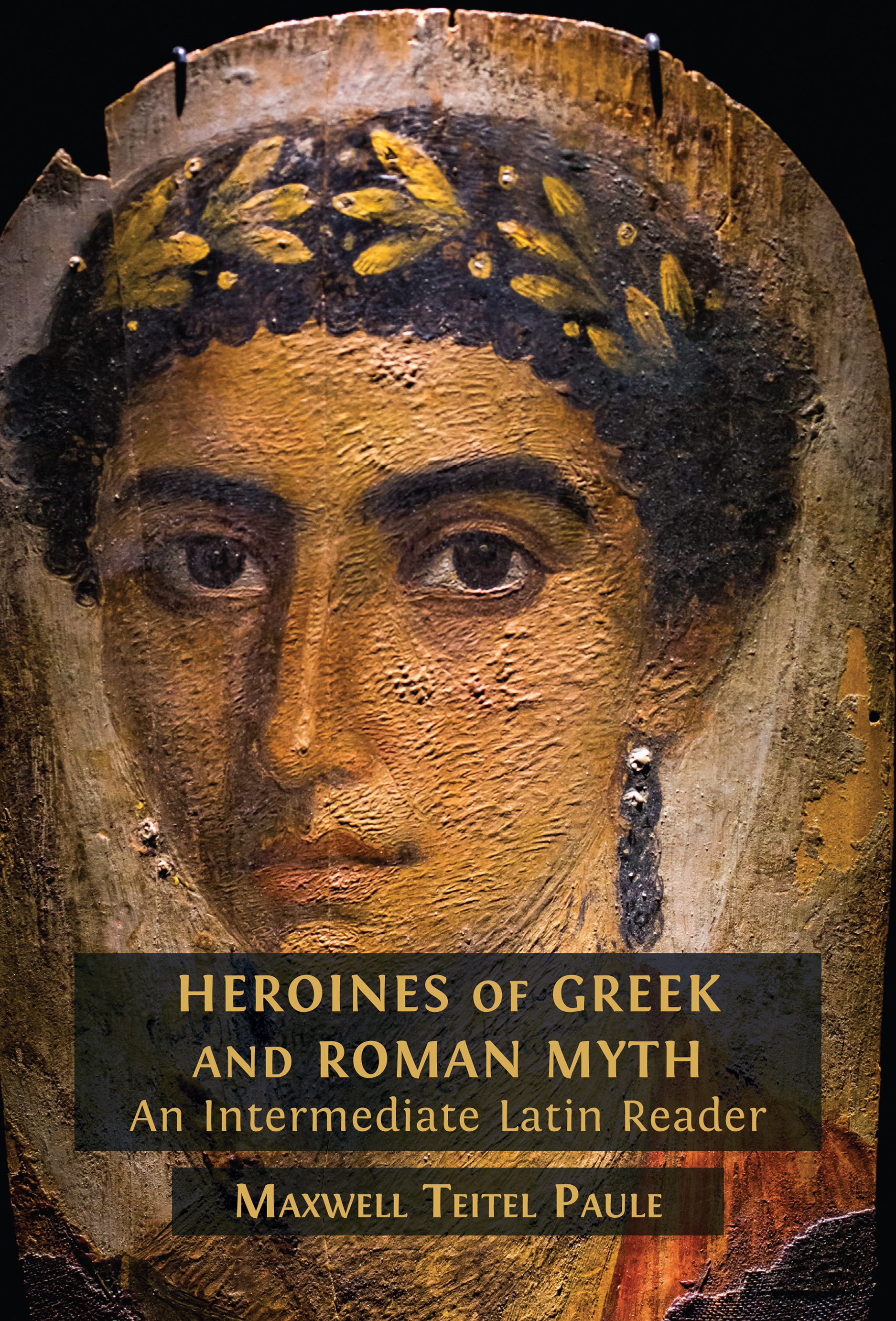
Dido
©2026 Maxwell Teitel Paule (notes), CC BY-NC 4.0 https://doi.org/10.11647/OBP.0496.02
Introduction
Dido, queen of the north African city of Carthage, is one of the most famous women from Rome’s mythic past. She is most well-known from the Aeneid, Vergil’s 1st century BCE Latin epic, in which she plays a significant role for the first half of the poem as she gives shelter to the hero Aeneas and his shipwrecked crew, eventually falling in love with him until he abandons her to set sail for Italy. The character of Vergil’s Dido – textured as she is with shades of the witch Medea, the hero Ajax, and the Egyptian queen Cleopatra VII – fired the imaginations of authors, poets and musicians for millennia afterwards, and her romance with Aeneas has been the subject of dozens if not hundreds of works of art from paintings to operas.
As with many figures from Greek and Roman myth, Dido is unlikely to be wholly fictionalized. She is mentioned in connection with Carthage by the historian Timaeus of Tauromenium and by Ennius (both of whom predate Vergil), and various other historical and linguistic data corroborate the existence of a pre-Vergilian Dido myth with strong connections to Phoenicia (and to Carthage in particular). Precise dating of the ‘historic’ Dido remains unsure, but various sources name her as the founder of Carthage in roughly the 9th or 8th century BCE.
Adaptation Notes
Because of the long-lasting popularity of Vergil’s work, his depiction of Dido and his emphasis on her relationship with Aeneas have cast such a long shadow that later works tend not to stray far from Vergil’s narrative footsteps.1 However, the historian Pompeius Trogus also provides a description of Dido’s life that – rather interestingly – does not mention Aeneas at all. Thus it is Trogus from whom I have adapted the bulk of this chapter; he tells us details about Dido’s exploits before her arrival in Carthage that Vergil only mentioned in passing: her marriage to Sychaeus, her betrayal by her murderous brother Pygmalion, her clever escape from her home-city of Tyre, and her deceptive initial acquisition of land in north Africa that would eventually grow into the massive Carthaginian empire.
It must also be said that Trogus, for better or worse, does not provide an idealized portrait of Dido. In emphasizing her intelligence and cunning, he has Dido deceive her brother (for which we can hardly blame her), but he also narrates Dido’s deception of a number of enslaved people whom she coerces with threats of torture and death to flee with her from Tyre to Carthage. This most assuredly does not jibe well with modern ethics, and it adds an unwelcome layer to a widely beloved character.
Dido’s later ruse to acquire enough land upon which to build a city is likewise complicated. When Dido arrives in north Africa, the locals agree to sell her as much land as can be covered by an oxhide (Justin Epitoma 18.5.9: quī coriō bovis tegī posset) – which is to say, not much. But Dido has the hide cut into thin strips with which she encircles what would become the entire acropolis of Carthage, thus purchasing considerably more land than had been on offer. While it is entirely possible to read this as a simple demonstration of Dido’s intellect, it also possible to read this scene as that of a foreign colonizer arriving to the African continent who then tricks the native population out of their own land – hardly the stuff modern readers want from their heroines.
Although this book does not shy away from complex, multifaceted characters and narratives, its thesis is to enable the reader to accomplish the surprisingly difficult task of reading interesting myths in Latin about women from antiquity without also needing to grapple with narratives of sexual assault. Because of this, I have not included the scene (narrated at 18.5.1-5) in which Dido stops at the island of Cypress to abduct 80 young women for the express purpose of providing wives to the men in her company. It is clearly a scene modeled on Romulus and Remus’s abduction of the Sabine women, and while the comparison of Dido to the founders of Rome is noteworthy, the scene is ultimately not right for inclusion in this adaptation.
All of which perhaps raises the question: Why include Trogus’s narrative at all? It is primarily because of Trogus’s focus on Dido as a figure unto herself rather than as a supporting character for Aeneas that I have chosen to adapt his version of Dido’s myth in the first two parts of this chapter. Also, Trogus’s account includes relatively obscure details that students are unlikely to have encountered previously, as opposed to the events of the Aeneid which students will almost certainly encounter in most standard college Latin curricula (if they have not already done so in AP Latin). Still, given the out-sized impact of Vergil’s work, it would be remiss if we ignored the Aeneid completely, so the third part of this chapter is in essence a summary of books two and four of the Aeneid with an emphasis on Dido’s perspective.
Sources: Justin’s Epitoma Historiarum Philippicarum 18.4-6; Vergil’s Aeneid books 1, 2, and 4
Grammar highlighted: participles, ablatives absolute, perfect system of verbs
Capitulum Secundum: Dīdō
Pars I
Fuit quondam urbs in Phoenīciā nōmine Tȳrus (Tyre), et haec urbs potentissima erat propter commercium (trade) et industriam (work ethic). Tyrī rēx fīliam fīliumque habuit; nōmen fīliae Dīdō erat, fīliō Pygmaliōn. Rēge mortuō, Dīdō et Pygmaliōn rēgnī cohērēdēs (co-heirs) factī sunt. Populus Tyrī tamen potestātem Pygmaliōnī, virō callidō (clever) et saevō, dedit. Didō igitur in mātrimōnium patruī (uncle) Sychaeī (Sychaeus) īvit. Sychaeus sacerdōs Herculis erat et magnās dīvitiās habēbat autem suam pecūniam cēlābat (was hiding). Sychaeus rēgem Pygmaliōnem timēns pecūniam nōn in domō tenēbat sed in locō obscūrō. Fāma volābat (was flying) dē dīvitiīs Sychaeī, ergō multī virī Sychaeum dīvitissimum2 esse cognōscēbant sed nūllī eius pecūniam invenīre poterant.
Pygmaliōn pecūniae cupidus, fāmā mōtus, et iūrum hūmānitātis oblītus3, īnsidiās (plot) fēcit. Pietātem assimulāns (feigning), Pygmaliōn impius Sychaeum ad larārium (household altar) vocāvit, tum illum ōrantem ferrō trānsiēcit (pierced) et larēs (household gods) sanguine sparsit (spattered). Iste servōs vocāvit et iussit “cēlāte hoc corpus prope viam. Dīcite omnibus Sychaeum ā latrōnibus (bandits) caesum esse.” Dīdō hanc fābulam audīvit, cuī nōn crēdidit illa nam crūdēlitātem (cruelty) Pygmaliōnis diū cognōverat. Multōs diēs Dīdō mortem Sychaeī continenter (continuously) flēbat et odium frātris Pygmaliōnis4 alēbat. Illa tandem cōnsilium habuit. Pecūniam Sychaeī auferēns, Dīdō Tȳrō fugiet! Prīmum collēgit eōs urbis prīncipēs quī atque rēgem Pygmaliōnem ōdērunt. Illīs virīs cōnsilium dīxit: “Multās nāvēs parābō. Ubi tempus adest, venīte ad lītus. Nōs cūnctī Tȳrō fugiēmus et aliās terrās inveniēmus quā (where) urbem condēmus, nam dīvitiās Sychaeī habeō quibuscum magnum rēgnum īnstituēmus (will establish).”
Tunc Dīdō ad Pygmaliōnem adīvit. Affectum (familial affection) assimulāns, Dīdō huic ita dīxit: “Cāre frāter, tēcum in rēgiā (palace) vīvere possum? Sine marītō Sychaeō, domus mea miserōrum plēna est et ibi diūtius vīvere nōlō. Volō maximē (especially, very much) tēcum in rēgiā vīvere.” Haec verba audiēns, Pygmaliōn gāvīsus est. “Scīlicet, cāra soror, mēcum vīvere potes! Servābō tē! Fer tēcum omnia bona et – sī fāma vēra est – Sychaeī pecūniam. Ego illam pecūniam certissimē cōnservābō atque tē.”
Pars II
Avidus (greedy) Pygmaliōn servōs ad vīllam Dīdōnis mīsit. “Ferte mihi Sychaeī pecūniam!” eīs dīxit. Cum servī ad vīllam advēnērunt, Dīdō hīs pecūniam nōn dedit sed saccōs (bags) plēnōs harēnae (sand). Hīs servīs dīxit “Cōnservāte Sychaeī pecūniam! Dēbēmus hōs saccōs ad nāvem celeriter ferre! Īte!” (Rē vērā (in truth) Sychaeī pecūnia iam in aliā nāve cēlāta erat!) Servī (putantēs saccōs plēnōs pecūniae esse) nāvem saccīs harēnae onerāvērunt (loaded). Tum Dīdō servīque ab lītore in mare paulō5 nāvigāvērunt. Dīdō lacrimāns clāmāvit “Ō Sychaee! Istās dīvitiās ōdī quae sine dubiō causa mortis tuae fuērunt. Nefās est hanc pecūniam auferre. Cāre marīte, recipe tuās dīvitiās!” hīs dictīs, Dīdō servōs appellāvit, “Iacite Sychaeī pecūniam in mare! Tunc umbra eius quiēscet.” Servī dubitābant, nam etiam putābant saccōs pecūniae plēnōs esse. Didō iterum clāmāvit “Sī nōn pārēbitis, Sychaeī umbra in perpetuum irascābitur (will be angry)!” Tandem saccōs in mare iēcērunt.
Saccīs in mare iactīs, Dīdō placida (calm) lacrimāre dēsīvit et clārā vōce dīxit “Sychaeus erat sacerdōs Herculis atque prīnceps urbis nōtus. Hunc Pygmaliōn necāvit propter illam pecūniam quam in mare modo iēcistis vōs servī. Rēx crūdēlis est et avidus. Meum marītum, suum sorōrium (brother-in-law) illīus pecūniae grātiā (for the sake of) cecidit. Pecūniā āmissā, dē vōbīs servīs quid faciet iste?” Hīs audītis, servī magnopere (greatly) timēbant. Tunc Dīdō rogāvit “Vultis Tyrum et ad crūdēlem Pygmaliōnem redīre? Vel mēcum ad aliās terrās nāvigāre?” Omnēs servī cum Dīdōne remānsērunt. Mox Dīdō Tȳrō multīs nāvibus cum illīs servīs et prīncipibus urbis nāvigābat.
Postquam Dīdō fūgerat, Pygmaliōn īrātus est et sorōrem trāns mare persequī (to chase) voluit, sed ōrāculum huic dīxit “Dīdō conditrīx (founder) urbis dītissimae in orbe terrārum erit. Sī huic nocēbis, dī superī tē Tyrumque in perpetuum ōderint!” Pygmaliōn igitur Tyrī remānsit et Dīdōnem nōn persecūtus est (did not chase).
Dīdō cum fessīs comitibus ad lītora Āfricae nāvigāvit. Ibi haec multās cōpiās Sychaeī pecūniā dē Āfricānīs ēmit (bought). Voluit urbem prō suō populō condere sed Āfricānī nōluērunt Dīdōnī suam terram trādere. Tandem incolae (residents) Dīdōnī condiciōnem tulērunt (offered a proposition): Dīdō comitēsque tantam terram emere (to buy) potuērunt quantam coriō (hide) bovis tegere potuērunt. Callida Dīdō corium in quam tenuissimās (as thin as possible) partēs secārī (to be cut) iussit. Hīs partibus magnum terrae spatium cīnxit (encircled) in quō arcem īnstituit. Hōc modō rēgīna (queen) Dīdō urbem Carthāginem condidit.
Pars III
Paucīs annīs, quīdam Troiānī ad lītora Carthāginis advēnērunt, multum iactātī (buffeted) terrā marīque propter īram deōrum. Illōrum dux, Aenēās, rēgīnam auxilium6 ōrāvit. “Meae nāvēs frāctae sunt. Meī comitēs et cibō et aquā carent. Sine auxiliō tuō, mox moriēmur.” Illōrum fessōrum Troiānōrum miserēns7 (pitying) Dīdō Aenēae dīxit, “Tuī tuōrumque misereor sed tē nōn nōscō. Cēnābitis (will dine) igitur apud mē hāc nocte et vestra itinera nārrābitis.” Troiānīs apud Dīdōnem cēnantibus, fessus Aenēās dīcere incēpit.
“Ab ōrīs (coast) Troiae ad tua lītora advenīmus. Novem annōs multī Danaī (Greeks8) in nōs9 Troiānōs pugnābant, sed fortēs mīlitēs (Hector, Sarpēdōn, ego ipse) hostem ab urbe dēfendēbāmus.10 Tandem decimō annō, Danaī Troiānum rēgnum īnsidiīs (treachery) dolīsque perdidērunt. Urbe captā, cum meō fīliō patreque multīsque aliīs fūgī. In multīs nāvibus aliās terrās nēquīquam (in vain) quaerēbāmus nam novam domum invenīre volēbāmus. Nāvigantēs crūdēlem Cyclōpem ūnō magnō oculō, Scyllam lātrantem (barking), et istam vorāginem (whirlpool) Charybdem vīdimus. Multās urbēs condere incipiēbāmus, sed omnēs relīquimus propter morbum aut deōrum voluntātem (will). Nōbīs ad Ītaliam adventūrīs, magna tempestās classem frēgit et nōs ad tuum rēgnum mīsit.”
Fābulā fīnītā, Dīdō Aenēae dīxit: “Tē tuōsque in Carthāginem hospitiō accipimus (we welcome). Vōbīs cibum, ignem, vīnum atque tēcta dabimus. Vōs invicem (in turn) nostram urbem nōbīscum compōnētis (will build).” Hīs dictīs, Aenēās Troiānīque gāvīsī sunt.
Mox Dīdō veteris amōris vestīgia sēnsit quī in diem (daily) auxit. Dum Aenēās tēcta compōnēbat, Dīdō spectābat. Dum ille fābulās nārrābat, haec audiēbat. Dum ille fīlium suscipiēbat (was raising), haec adrīdēbat (was smiling). Quōdam diē Dīdō Aenēāsque ūnā (together) vēnābantur cum subitō tempestās adveniēns hōs duōs prīncipēs in antrum (cave) pepulit. In hōc antrō et Dīdō et Aenēās suās cupiditātēs (desires) satiābant (satisfied) et postquam foedus11 (pledge) fideī in perpetuum fēcērunt.
Postea Dīdō laetissima erat nam sua urbs augēbat et Aenēās in hōc locō remanēbat, et Troiānī ullum hostem Carthāginis pugnātūrī erant. Āfricānī incolae autem nōn laetī erant. Multī prīncipēs Āfricae Dīdōnem in mātrimōnium dūcere volēbant itaque Carthāginem capere. Nunc illī prīncipēs Dīdōnem virumque novum ōderant, sed Dīdō nihil omnīnō cūrābat (was not at all concerned). Carthāgō fortis erat et Dīdō cum vīribus Troiānōrum hostēs ab urbe facillimē dēfendere potuit.
Post paucās mēnsēs, Dīdō ē somnō sē excitāvit (awoke) et Aenēam nōn vīdit. Nec ullōs Troiānōs vīdit, nec Troiānās nāvēs. Aenēās exierat. Troiānī omnēs exierant. Aenēās Dīdōnī dīxerat nihil. Iste Dīdōnem dēseruerat. Dīdō itaque patriā Tȳrō longē remōta (distant from), marītī Sychaeī vidua (bereft of), ā crūdēlī Pygmaliōne prōdita, ab Aenēā dēserta, in multōs prīncipēs inimīcōs adversa, sē necāvit.
Discussion Questions
- What are some of the many norms Pygmalion transgresses when he murders Sychaeus?
- Rather than using deception to get enslaved people to leave Tyre with her, how else might Dido have convinced them to accompany her in her flight from the city?
- Why did helping the Trojans seem like a mutually beneficial decision to Dido?
- Why did Aeneas’s departure put Dido in such a bad political position?
Adrīdeō, adrīdēre, adrīsī, adrīsus | to smile at, to be pleased by |
Aenēās, Aenēae; m. | Aeneas, a Trojan hero |
Affectus, -ūs; m. | affection, fondness |
Āfrica, -ae; f. | Africa, land in the southern Mediterranean |
Antrum, -ī; n. | cave |
Assimulō, assimulāre, assimulāvī, assimulātus | to pretend, feign, simulate |
Avidus, -a, -um | greedy |
Callidus, -a, -um | clever, skillful |
Carthāgō, -īnīs; f. | primary city of the Carthaginian empire |
Cēlō, cēlāre, cēlāvī, cēlātus | to hide, conceal |
Cēnō, cēnāre, cēnāvī, cēnātus | to dine, eat a meal |
Cingō, cingere, cīnxī, cīnctus | to surround, gird |
Cohērēs, -ērēdis; m.f. | coheir |
Commercium, -ī; n. | commerce, trade |
Compōnō, compōnere, composuī, compositus | to put together, construct, build |
Condiciō, -ōnis; f. | condition, term, contract |
Conditrīx, -icis; f. | founder |
Continenter | continuously |
Corium, -ī; n. | hide, skin |
Crūdēlitās, -tatīs; f. | cruelty, severity |
Cupiditās, -ātis; f. | desire |
Danaus, -a, -um | Greek, descendent of Danaus |
Dīdō, Dīdōnis; f. | Dido, Phoenician founder and queen of Carthage |
Emō, emere, ēmī, ēmptus | to buy |
Excitō, excitāre, excitāvī, excitātus | to rouse, stir, awaken |
Foedus, -eris; n. | pact, agreement |
Grātia, -ae; f. | favor, kindness, (in the ablative) for the sake of |
Harēna, -ae; f. | sand |
Herculēs, -is; m. | Hercules, famed hero of Greece and Rome |
Hospitium accipere | to welcome |
Iactō, iactāre, iactāvī, iactātus | to toss, throw, buffet |
Incola, -ae; m. | inhabitant, resident |
Industria, -ae; f. | work ethic, diligence |
Īnsidiae, -ārum; f. | snare, plot, deception |
Īnstituō, īnstituere, īnstituī, īnstitūtus | to establish, plant, fix |
Invicem | in turn |
Īrāscor, īrāscī, īrātus sum | to get angry |
Lār, laris; m. | household god |
Larārium, -ī; n. | household altar |
Latrō, -ōnis; m. | bandit, brigand, robber |
Latrō, lātrāre, lātrāvī, lātrātus | to bark |
Magnopere | greatly |
Maximum, -a, -um | greatest, biggest |
Misereor, miserērī, miseritus sum | to pity |
Nēquīquam | in vain, uselessly |
Nihil omnīnō | not at all |
Onerō, onerāre, onerāvī, onerātus | to load, fill |
Ora, -ae; f. | shore, coast, border |
Patruus, -us; m. | paternal uncle |
Persequor, persequī, persecūtus sum | to pursue, chase |
Phoenīcia, -ae; f. | Phoenicia, an ancient maritime civilization found throughout the eastern and southern Mediterranean |
Placidus, -a, -um | calm, peaceful |
Pygmaliōn, -ōnis; m. | Pygmalion, brother of Dido and king of Tyre |
Quā | where |
Rēgia, -ae; f. | palace |
Rēgīna, -ae; f. | queen |
Remōtus, -a, -um | distant, removed, far off |
Saccus, -ī; m. | bag, sack |
Satiō, satiāre, satiāvī, satiātus | to satisfy |
Secō, secāre, secuī, sectus | to cut |
Sorōrius, -ī; m. | brother-in-law, sister’s husband |
Spargō, spargere, sparsī, sparsus | to scatter, spatter, sow |
Sychaeus, -ī; m. | Sychaeus, husband of Dido |
Tenuis, -e | thin |
Trānsiciō, trānsicere, trānsiēcī, trānsiectus | to pierce, transfix |
Troia, -ae; f. | Troy, a city in Asia Minor, site of the Trojan War |
Troiānus, -a, -um | Trojan |
Tyrus, -ī; m. | Tyre, a main Phoenician city in the eastern Mediterranean |
Viduus, -a, -um | deprived, bereft |
Volō, volāre, volāvī, volātus | to fly |
Voluntās, -ātis; f. | will, choice, inclination |
Vorāgō, -inis; f. | whirlpool, abyss |
1 For example, Christopher Marlowe’s “The Tragedy of Dido Queen of Carthage” and Henry Purcell’s opera “Dido and Aeneas” both draw heavily from Vergil’s Aeneid.
2 Note the difference between the adjective dīves, dīvitis (“rich”) and the noun dīvitiae, dīvitiārum (“riches”).
3 Since oblīvīscor is deponent, note that oblītus is then the perfect active participle “having forgotten.” It also takes a genitive object – in this instance iūrum.
4 An objective genitive.
5 Paulō here is adverbial (“a little”) rather than adjectival.
6 Ōrāre can take a double accusative, wherein one prays for something (in the accusative) from someone (also in the accusative).
7 Verbs of pity take the genitive.
8 Descendants of Danaus, a mythical king who brought his fifty daughters from Egypt to Greece.
9 In + accusative here means “against.”
10 Dēfendere can mean to ward off something in the accusative from something in the ablative.
11 Not to be confused with the adjective foedus, -a, -um (ugly).